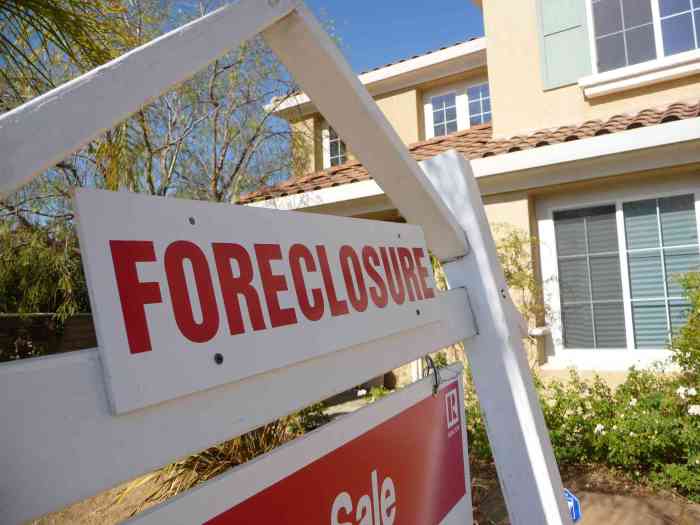
How to find hidden foreclosure deals is a quest that many investors embark upon, seeking the treasures buried within the complexities of the real estate market. Foreclosures offer unique opportunities for savvy buyers, often at reduced prices, but they require a keen understanding of the process and strategic approaches to uncovering these hidden gems.
By grasping the intricacies of foreclosure processes, networking effectively, and utilizing public records, potential buyers can navigate this landscape with confidence, reshaping how they view property investments and capitalizing on lucrative deals.
Understanding Foreclosures

Foreclosure is a significant aspect of the real estate market that affects not only homeowners but also investors looking for potential deals. The foreclosure process occurs when a property owner fails to meet mortgage payments, leading the lender to take possession of the property. This section will clarify the foreclosure process, the types available in the market, and the reasons behind foreclosures that investors should be aware of.The foreclosure process typically begins when a homeowner defaults on their mortgage payments.
A series of notices from the lender leads to a legal action that ultimately results in the property being sold at a public auction. Foreclosure impacts property ownership as it transfers the rights from the original owner to the lender, often resulting in a distressed property being available for investors at a reduced price. Understanding this process is crucial for anyone looking to navigate the real estate market effectively.
Types of Foreclosures
In the real estate market, there are primarily three types of foreclosure processes: judicial, non-judicial, and tax foreclosure. Each type has distinct legal frameworks and implications for buyers.
- Judicial Foreclosure: This type involves court proceedings. The lender must file a lawsuit and obtain a judgment before selling the property. This process can take longer but provides the homeowner with an opportunity to contest the foreclosure in court.
- Non-Judicial Foreclosure: This method does not require court involvement. The lender can proceed with the foreclosure process by following specific procedures set out in the mortgage agreement. It is generally faster than judicial foreclosure.
- Tax Foreclosure: Properties may be foreclosed due to unpaid property taxes. In this case, the government seizes the property and sells it to recover owed taxes. Investors can often acquire these properties at a bargain price, but there may be additional risks involved.
Reasons for Foreclosure
Several factors contribute to properties going into foreclosure, which can impact both homeowners and investors. Understanding these reasons can help investors identify opportunities and assess risks.
- Job Loss or Reduced Income: Unforeseen circumstances such as job loss or significant income reduction can lead homeowners to default on their mortgage payments.
- Medical Expenses: High medical costs can strain finances, forcing homeowners to prioritize expenses and potentially fall behind on mortgage payments.
- Divorce or Separation: Changes in personal circumstances often lead to financial instability, making it difficult for one party to maintain mortgage payments.
- Market Conditions: Economic downturns can lead to decreased property values and increased foreclosures as homeowners struggle to sell or refinance their homes.
Understanding the root causes of foreclosure can empower investors to make informed decisions while exploring hidden deals.
Strategies to Find Hidden Foreclosure Deals
In the competitive landscape of real estate, locating hidden foreclosure deals can provide a significant advantage. Many investors and homebuyers are unaware of the numerous strategies available to identify properties before they hit the market. By employing these techniques, you can uncover opportunities that others might overlook, ultimately leading to better investment decisions and potential savings.One effective approach to finding hidden foreclosure deals involves several proactive strategies.
These methods not only help you identify properties ahead of public listings but also allow you to build a network that can provide valuable insights into the foreclosure market.
Identifying Foreclosures Before Public Listings
Finding foreclosure properties before they are officially listed can lead to gaining a competitive edge. Here are some effective methods to achieve this:
- Pre-Foreclosure Listings: Many properties go into a pre-foreclosure phase before being listed for sale. Websites that track mortgage delinquencies or local courts that handle foreclosure filings can provide leads on homes that may soon enter the market.
- Direct Mail Campaigns: Sending targeted mail to homeowners facing financial difficulties can yield opportunities. Utilizing data from public records to identify homeowners in distress can lead to fruitful negotiations.
- Real Estate Auctions: Attending local auctions can unveil foreclosure properties that are about to be sold. These auctions can sometimes be less competitive than traditional sales, offering great deals to savvy investors.
Networking with Real Estate Professionals
Building relationships in the real estate community is essential for gaining insider knowledge about foreclosure opportunities. Effective networking can provide access to deals that are not publicly advertised. Here are some ways to enhance your network:
- Engage with Real Estate Agents: Establish connections with agents who specialize in distressed properties. They often have advance knowledge of upcoming listings and can provide insights into the market.
- Join Local Real Estate Investment Groups: Participate in meetups or online forums where investors share information about properties, including foreclosures. Collaborating with others can reveal leads and strategies to find hidden deals.
- Collaborate with Attorneys: Many foreclosure cases involve legal professionals. Building relationships with real estate attorneys can give you access to cases before they transition into public listings.
Using Public Records to Track Potential Foreclosure Properties
Public records can be a goldmine for tracking potential foreclosure properties. Understanding where to look and what to analyze can significantly enhance your search.
- County Clerk and Recorder’s Office: Check local records for notices of default, which indicate that a homeowner has missed mortgage payments. This is often the first step toward foreclosure.
- Tax Assessor Records: Properties with delinquencies in property taxes can sometimes lead to foreclosure. Reviewing tax records can help identify struggling homeowners.
- Bankruptcy Filings: Similar to tax records, reviewing local bankruptcy filings can reveal homeowners who may soon face foreclosure, providing an opportunity to approach them before they lose their property.
Working with Real Estate Professionals
Partnering with real estate professionals can significantly enhance your chances of uncovering hidden foreclosure deals. These experts bring valuable knowledge and resources that can simplify the often complex process of navigating the foreclosure market. Whether you are a seasoned investor or a novice looking to break into real estate, leveraging the expertise of real estate agents can provide a competitive edge.Real estate agents who specialize in foreclosures understand the nuances of the market, including pricing strategies, property conditions, and local regulations.
They can facilitate access to listings that may not be publicly advertised, offering you opportunities that others might miss. However, selecting the right agent is crucial to ensuring a successful partnership.
Evaluating and Selecting Real Estate Agents Specializing in Foreclosures
Choosing the right real estate agent can significantly impact your investment outcomes in foreclosures. Here’s a guide to help evaluate and select agents who are well-versed in this niche:
1. Experience with Foreclosures
Look for agents who have a solid track record of handling foreclosure properties. Experience is key in understanding the unique aspects of distressed sales.
2. Local Market Knowledge
Ensure the agent has in-depth knowledge of the local market trends, including neighborhoods with high foreclosure rates and potential for property appreciation.
3. Professional Credentials
Check for designations or certifications specifically related to foreclosures or distressed properties, such as a Short Sale and Foreclosure Resource (SFR) certification.
4. Client Testimonials
Read reviews and testimonials from previous clients. Positive feedback can indicate the agent’s reliability and effectiveness in the foreclosure landscape.
5. Communication Skills
Assess their communication style. A good agent should be responsive, approachable, and willing to explain complex processes clearly.
6. Networking Abilities
An agent with a strong network can provide access to additional resources, including lenders, property inspectors, and legal advisors.
“The right real estate agent can be your best ally in finding hidden foreclosure deals.”
Comparing the Roles of Realtors versus Independent Investors in the Foreclosure Market
Understanding the distinct roles of realtors and independent investors is essential in the foreclosure market. Realtors primarily act as intermediaries, providing access to listings, facilitating negotiations, and handling paperwork. They are often equipped with the latest market data and insights that can guide buyers in making informed decisions.Conversely, independent investors typically seek to acquire properties directly, often aiming to flip or rent them for profit.
Investors may focus on developing their own methods for sourcing deals, including networking with banks or property managers. While realtors offer support and resources, independent investors might leverage their market knowledge and negotiation skills to secure properties below market value.The collaboration between both parties can be mutually beneficial; investors can provide realtors with leads on potential properties, while realtors can assist investors in navigating regulatory challenges and market conditions.
Recognizing the strengths of each role can create opportunities for partnership that enhance the investment process in foreclosures.
Summary
In conclusion, discovering hidden foreclosure deals is not just about finding properties; it’s about understanding the underlying market dynamics and leveraging professional relationships. Armed with the right strategies and knowledge, investors can unlock significant value in the real estate market, transforming challenges into profitable opportunities.
FAQ Overview
What are the benefits of investing in foreclosures?
Investing in foreclosures can lead to significant savings on property purchases, as they are often sold below market value. This can provide a strong return on investment when properly managed.
How do I assess the value of a foreclosure property?
Assess the value by analyzing comparable sales in the area, estimating renovation costs, and considering the property’s condition and location.
What should I look for in a real estate agent specializing in foreclosures?
Look for agents with experience in foreclosure sales, a solid track record, and knowledge of the foreclosure process and local market trends.
Are there financing options available for foreclosure purchases?
Yes, many lenders offer specialized financing options for foreclosure properties, including conventional loans, FHA loans, and renovation loans.
What are common pitfalls to avoid when buying foreclosures?
Avoid purchasing without thorough inspections, underestimating repair costs, and neglecting to understand the legal implications of the foreclosure process.


