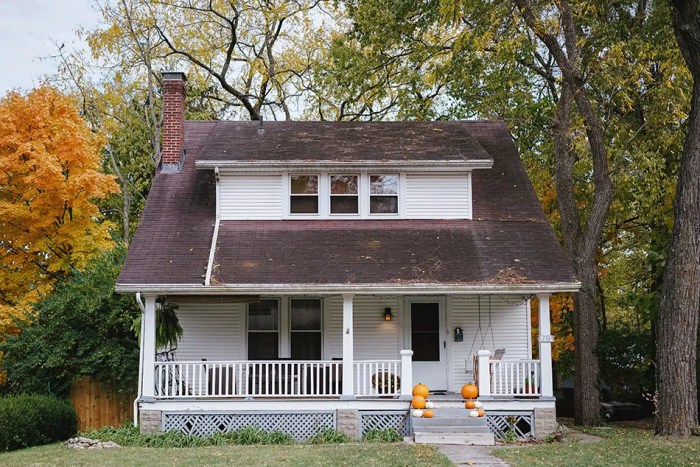
Rehabbing foreclosed homes for profit invites you into a world where opportunity meets strategy, showcasing how revitalizing neglected properties can yield significant financial returns. Whether you’re a seasoned investor or a curious newcomer, understanding the nuances of this process is key to unlocking its full potential. From purchasing properties to executing renovations, the journey is filled with insights that can lead to success.
As we explore the essentials of purchasing foreclosed properties, the financial aspects of home rehabilitation, and the benefits of working with real estate professionals, you’ll gain a comprehensive understanding of how to turn a rundown house into a profitable asset.
Understanding the Basics of Rehabbing Foreclosed Homes
Investing in foreclosed homes can be a lucrative venture for those willing to put in the effort and resources. This process involves not only purchasing properties at a lower price but also revitalizing them to increase their market value. For anyone looking to make a profit through real estate, understanding the ins and outs of rehabbing foreclosed homes is crucial.The first step in rehabbing foreclosed properties is navigating the purchasing process.
Buyers typically acquire these homes through auctions, bank listings, or real estate agents specializing in foreclosures. It’s essential to conduct thorough research on the property, including its market value, the extent of repairs needed, and neighborhood trends. After securing the property, financial considerations come into play, including renovation costs, potential carrying costs, and the anticipated return on investment.
Purchasing Foreclosed Properties
Purchasing a foreclosed home often involves unique processes and considerations. Here are some key factors to keep in mind:
- Research and Inspection: Before making an offer, potential buyers should inspect the property, if possible, to assess its condition. This helps in estimating renovation costs accurately.
- Financing Options: Different financing options are available, including conventional loans, FHA 203(k) loans, or cash purchases. Understanding these can influence your buying decision and budget.
- Understand the Auction Process: Many foreclosures are sold at auction. Familiarity with auction rules and bidding strategies can provide a competitive edge in securing your desired property.
Financial Considerations in Rehabbing Homes
Rehabbing homes for profit requires a solid financial plan. Various costs must be accounted for to ensure a profitable outcome. Here are essential financial considerations:
- Acquisition Cost: This includes the purchase price and any closing costs associated with the transaction.
- Renovation Budget: Estimating the costs of materials, labor, and any unforeseen expenses is vital. It’s wise to set aside a contingency fund of approximately 10-20% of the renovation budget.
- Holding Costs: These are ongoing expenses like property taxes, insurance, utilities, and mortgage payments while the property is being renovated. Factoring in these costs helps prevent budget overruns.
- Resale Value: Understanding the market trends and potential resale value after renovations is crucial for determining overall profitability. Analyzing comparable sales in the area provides insights into realistic expectations.
Common Renovations and Improvements
Certain renovations are more common than others when rehabbing foreclosed homes. These improvements not only enhance the property’s appeal but also significantly increase its market value. Below are typical renovations to consider:
- Kitchen Updates: Modernizing the kitchen with new appliances, countertops, and cabinets can yield a high return on investment. Open-concept layouts are particularly appealing to buyers.
- Bathroom Remodels: Upgrading fixtures, adding new tiles, and improving lighting can transform dated bathrooms into attractive spaces.
- Curb Appeal Improvements: First impressions matter. Enhancing landscaping, repainting the exterior, and updating entryways can make a significant difference in attracting potential buyers.
- Energy-Efficient Upgrades: Installing energy-efficient windows, insulation, and appliances not only appeals to eco-conscious buyers but also reduces long-term utility costs.
Investing in foreclosures requires a strategic approach, balancing renovation costs with potential market value increases.
The Role of Real Estate Professionals in House Flipping
Navigating the world of house flipping can be daunting, especially when dealing with foreclosed properties. Real estate professionals, including agents and realtors, are crucial allies in this journey. They not only facilitate the purchase and sale of these properties but also provide invaluable expertise that can significantly impact profit margins.Real estate agents and realtors have specialized knowledge and access to current market data that can enhance the decision-making process for investors.
Their understanding of local neighborhoods, pricing trends, and property conditions is essential in identifying lucrative opportunities and avoiding potential pitfalls. They can guide you through the complexities of the buying and selling process, ensuring that you make informed choices at every step.
Choosing the Right Real Estate Professional for Rehabbing Projects
Selecting the right real estate professional is vital for the success of rehabilitation projects. Not all agents have the same level of experience or insight into the foreclosure market, and finding one who aligns with your specific needs can make a significant difference. Here are key features to consider when choosing a real estate professional:
- Experience with Foreclosures: Look for agents who have a proven track record in dealing with foreclosed properties. Their familiarity with the nuances of these transactions can save you time and money.
- Local Market Knowledge: Ensure your agent has in-depth knowledge of the local real estate market, including recent sales, neighborhood trends, and property values.
- Strong Negotiation Skills: An effective negotiator can help secure properties at lower prices and maximize your profit when selling post-rehab.
- Network of Professionals: Agents with extensive networks can connect you with contractors, inspectors, and other professionals essential for rehabbing projects.
Establishing a good rapport with your real estate professional is crucial. A collaborative relationship ensures that both parties are aligned in goals and expectations, which can lead to more successful outcomes.
Strategies for Collaborating with Real Estate Agents
To fully leverage the expertise of real estate professionals, adopting effective collaboration strategies is key. Here are some approaches to maximize profit margins while working with agents:
- Set Clear Goals: Provide your agent with specific criteria for your investment properties. This clarity enables them to narrow down options that best fit your investment strategy.
- Regular Communication: Maintain open lines of communication to discuss market conditions, potential opportunities, and any updates on ongoing projects. This helps in making timely decisions.
- Feedback and Input: Share feedback on properties viewed and discuss what worked well or what didn’t. This helps your agent refine their search to align more closely with your tastes and investment goals.
- Joint Market Analysis: Collaborate on market analysis to understand pricing trends and identify undervalued properties that may yield better returns post-rehab.
Utilizing these strategies not only strengthens your partnership with your real estate professional but also enhances your capacity to make profitable investments in the real estate market.
Building a strong relationship with your real estate agent can lead to discovering hidden gems in the market that others might overlook.
Trends and Innovations in Green Real Estate for Home Rehabilitation

As the real estate market continues to evolve, the emphasis on sustainability and eco-friendliness in home rehabilitation has gained significant traction. Rehabbing foreclosed homes with green practices not only benefits the environment but also attracts a growing demographic of eco-conscious buyers. Understanding the trends and innovations in green real estate can enhance rehabilitation projects and drive profitability.
Sustainable Building Materials and Techniques
Incorporating sustainable building materials and techniques is essential for any green rehabilitation project. These materials reduce environmental impact and enhance the overall quality and efficiency of the home. Key sustainable materials include reclaimed wood, recycled metal, and low-VOC (volatile organic compounds) paints.
Reclaimed Wood
Sourced from old structures, it adds character and reduces the need for new timber, significantly lowering tree depletion.
Recycled Metal
Often used for roofing and siding, it minimizes energy consumption in manufacturing and provides durability.
Low-VOC Paints
These paints contribute to better indoor air quality by reducing harmful emissions, making spaces safer for occupants.Utilizing energy-efficient techniques such as proper insulation, energy-efficient windows, and advanced HVAC systems further supports sustainable rehabilitation. These upgrades not only lower energy costs but also increase the property’s value, appealing to a market that prioritizes green living.
Benefits of Incorporating Green Technologies
Integrating green technologies into rehabilitation projects offers multiple advantages for both homeowners and investors. These benefits extend beyond immediate financial gains to include long-term sustainability.
Energy Efficiency
Homes equipped with solar panels, energy-efficient appliances, and smart home technology can drastically reduce utility bills.
Increased Resale Value
Properties with eco-friendly features often sell for more due to rising consumer demand for sustainable living options.
Enhanced Comfort
Improved insulation and ventilation systems contribute to a healthier living environment, providing better comfort and air quality for occupants.
Government Incentives
Many regions offer tax credits and rebates for energy-efficient home improvements, further enhancing profitability.Green technologies not only contribute to a healthier planet but also position properties favorably in a competitive market.
Marketing a Green Rehabbed Home
Successfully marketing a green rehabbed home requires highlighting its eco-friendly features and benefits to attract environmentally-conscious buyers.
Emphasize Energy Savings
Use data to showcase potential energy savings and reduced utility bills resulting from green upgrades.
Highlight Sustainable Materials
Detail the use of sustainable materials and how they contribute to a healthier home environment.
Showcase Certifications
If applicable, promote any green certifications (such as LEED or Energy Star) that the home may have received, adding credibility to the green claims.
Utilize Social Media
Create engaging content that showcases the home’s green features, such as virtual tours or before-and-after transformations, appealing to the visual preferences of potential buyers.By effectively marketing a green rehabbed home, sellers can tap into the lucrative market of eco-conscious buyers who prioritize sustainability in their purchasing decisions.
Ultimate Conclusion
In conclusion, rehabbing foreclosed homes for profit is not just about fixing up houses; it’s about seizing opportunities and making smart choices at every step. By leveraging professional advice, embracing sustainable practices, and understanding market trends, you can maximize your profits while contributing to the community. As you embark on your rehabbing journey, remember that knowledge and preparation are your best allies in turning potential into profit.
Common Queries
What are the first steps to take when rehabbing a foreclosed home?
The first steps involve researching the property, securing financing, and conducting a thorough inspection to assess needed repairs and renovations.
How can I determine the potential profit from a rehab project?
Calculate potential costs for purchase, renovation, and selling, then compare this to the expected market value post-renovation to gauge profit potential.
Are there specific types of renovations that yield better returns?
Kitchen and bathroom remodels, as well as curb appeal enhancements, typically offer the best return on investment in rehab projects.
How do I find reliable contractors for my rehab project?
Ask for referrals, check online reviews, and ensure they have a solid track record in home renovations to find trustworthy contractors.
What financing options are available for rehabbing homes?
Options include conventional loans, renovation loans, and hard money loans, each with different criteria and terms that you should evaluate based on your project needs.


