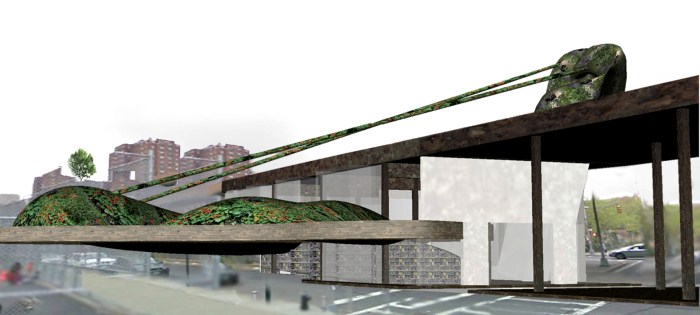
Urban green spaces and real estate value are intertwined in fascinating ways, shaping not only the aesthetics of our neighborhoods but also their economic dynamics. As cities grow and develop, the presence of parks and green areas emerges as a crucial factor influencing property prices and buyer preferences. This discussion explores the compelling relationship between accessible green spaces and real estate, highlighting their psychological benefits and market appeal.
Proximity to urban green spaces often translates into higher property values, as potential buyers are increasingly drawn to the tranquility and recreational opportunities these areas provide. With various case studies demonstrating this trend, it’s evident that integrating nature into urban living is not just a design choice; it’s a strategic investment in property value.
The Impact of Urban Green Spaces on Real Estate Value
Urban green spaces such as parks, gardens, and recreational areas play a crucial role in shaping the real estate landscape. The presence of these areas can significantly influence property values, catering to a growing demand for healthier living environments. Homebuyers increasingly prioritize access to green spaces, which can create a premium in real estate prices, especially in urban settings where such amenities are often limited.Proximity to urban green spaces has been shown to elevate property prices due to several factors, including aesthetic appeal, recreational opportunities, and enhanced community well-being.
Living near parks offers a sense of tranquility and natural beauty, which appeals to a wide range of potential buyers. As a result, properties that are within walking distance of green areas often command higher prices compared to those located farther away.
Case Studies Demonstrating Increased Property Values
Numerous studies and real estate analyses have highlighted the correlation between urban green spaces and property values. These case studies offer valuable insights into how parks and green areas can positively influence the real estate market.
- Central Park, New York City: Properties within a few blocks of Central Park have consistently shown higher values compared to those further away. One analysis indicated that homes within a half-mile radius of the park sold for approximately 20% more than similar properties located elsewhere in Manhattan.
- Millennium Park, Chicago: Following the development of Millennium Park, real estate values in the surrounding neighborhoods saw a substantial increase. A report noted that surrounding property values rose by an average of 10-15%, demonstrating the park’s significant impact on desirability and investment potential.
- Highline, New York City: The transformation of an abandoned elevated railway into the Highline park resulted in a dramatic increase in property values in nearby areas. Homes within a few blocks of the Highline have increased in value by more than 30% since the park’s opening, showcasing the direct relationship between green space development and real estate appreciation.
“Access to urban green spaces not only enhances quality of life but also significantly increases property values, making them a smart investment for buyers and developers alike.”
The psychological benefits of living near parks and green areas should not be underestimated. Increased access to nature has been linked to improved mental health, reduced stress levels, and enhanced overall well-being. These factors contribute to the desirability of properties located near urban green spaces, as buyers often seek environments that promote a healthy lifestyle.
Real Estate Development and Green Spaces Integration

In the contemporary real estate landscape, the integration of green spaces into residential developments has become a prominent trend. This approach not only enhances the aesthetic appeal of neighborhoods but also plays a crucial role in improving the quality of life for residents. Urban green spaces, such as parks, gardens, and green roofs, contribute significantly to environmental sustainability while also boosting property values.
Design strategies for integrating green spaces into residential developments are essential for fostering a harmonious living environment. Developers increasingly prioritize incorporating these areas into their planning to attract buyers seeking a balance between urban living and nature.
Design Strategies for Integrating Green Spaces
The successful integration of green spaces into residential developments involves various design strategies that enhance both functionality and aesthetics. Key considerations include:
- Landscape Design: Thoughtfully designed landscapes that incorporate native plants, trees, and flowers not only promote biodiversity but also reduce maintenance costs. Developers can create visually appealing environments that resonate with potential buyers.
- Community Gardens: These spaces encourage community engagement and provide residents the opportunity to cultivate their own produce. They foster social connections and a sense of belonging among neighbors.
- Green Roofs and Vertical Gardens: These innovative designs maximize space while providing residents with a unique green experience. Green roofs improve insulation and reduce energy consumption, making them an attractive feature for sustainability-conscious buyers.
- Walking Paths and Recreational Areas: Incorporating pathways, jogging trails, and seating areas can enhance the usability of green spaces. These features promote physical activity and leisure, appealing to health-conscious families.
- Water Features: Adding ponds, fountains, or streams can create serene environments that enhance property aesthetics. Water features also contribute to local wildlife habitats, enriching the ecosystem.
The role of real estate agents in promoting properties with access to green areas is pivotal in the current market. Agents leverage the growing interest in green spaces to market homes effectively.
Role of Real Estate Agents in Promoting Properties
Real estate agents play a crucial role in highlighting the benefits of properties situated near urban green spaces. Their marketing strategies focus on several aspects:
- Highlighting Proximity: Agents emphasize the convenience of living near parks and recreational areas, showcasing benefits like increased leisure opportunities and enhanced community interaction.
- Emphasizing Health Benefits: Properties near green spaces are often marketed with a focus on the mental and physical health benefits that such environments provide, appealing to families and individuals seeking a healthier lifestyle.
- Utilizing Visual Marketing: High-quality photos showcasing nearby green spaces can significantly enhance listings. Agents often use drone photography to capture expansive views of both properties and their surroundings.
- Hosting Open Houses and Community Events: Agents can organize events in nearby parks or gardens to attract potential buyers, facilitating a direct connection between the property and the green space.
- Understanding Market Trends: Agents are increasingly educated on the value that green spaces add to properties, allowing them to advise clients on pricing strategies based on proximity to desirable outdoor areas.
The marketability of properties with and without nearby urban green spaces illustrates a significant disparity in buyer interest and market value.
Marketability Comparison of Properties
Properties adjacent to or near urban green spaces considerably outperform those without such access in terms of marketability. Several factors contribute to this trend:
- Increased Demand: Homes near parks or gardens typically see higher demand due to the lifestyle benefits associated with green spaces, such as recreation and leisure opportunities.
- Price Premiums: Studies indicate that properties located within a certain distance from green spaces can command price premiums ranging from 5% to 20%, depending on the area’s desirability and the quality of the green space.
- Long-Term Value Appreciation: Properties with access to green areas often experience more stable long-term appreciation in value, as buyers consistently prioritize these features.
- Attracting Diverse Buyers: Families, retirees, and young professionals are all drawn to homes near green spaces, creating a broader market appeal that can lead to quicker sales.
- Environmental Awareness: As societal awareness of environmental issues grows, buyers are increasingly inclined to invest in properties that support sustainable living through access to green spaces.
The incorporation of urban green spaces in real estate development not only enhances the attractiveness of properties but also contributes positively to community well-being and environmental sustainability.
Sustainable Practices in Real Estate
In the ever-evolving landscape of urban development, integrating sustainable practices in real estate has become a crucial aspect of construction and property management. Green building techniques not only contribute to environmental conservation but also significantly enhance the value of properties in competitive markets. This segment will delve into effective methods for incorporating green building practices in commercial construction, highlight the benefits of these practices, and provide a comprehensive list of sustainable features that elevate the attractiveness of homes and condominiums.
Methods for Incorporating Green Building Techniques in Commercial Construction Projects
Incorporating green building techniques into commercial construction projects involves several practical methods that focus on energy efficiency, resource conservation, and sustainable materials.
1. Energy-efficient Systems
Implementing high-efficiency HVAC systems, LED lighting, and energy management systems reduces overall energy consumption and operational costs.
2. Sustainable Materials
Utilizing recycled, reclaimed, or sustainably sourced materials minimizes waste and reduces the carbon footprint associated with new construction.
3. Water Conservation
Installing low-flow fixtures, rainwater harvesting systems, and drought-resistant landscaping contributes to water preservation and reduces utility costs.
4. Building Orientation and Design
Designing buildings to maximize natural light and ventilation can significantly decrease the need for artificial heating and cooling.
5. Green Roofs and Walls
Incorporating vegetation on building exteriors can enhance insulation, manage stormwater, and improve air quality.
By employing these techniques, developers can create sustainable commercial properties that attract environmentally conscious tenants and buyers.
Benefits of Green Real Estate Practices in Increasing Property Value
Adopting green real estate practices not only aligns with environmental objectives but also offers tangible financial benefits, enhancing property value in multiple ways. Properties with sustainable features tend to attract premium rents and higher resale values due to their operational efficiencies and reduced costs.
Market Demand
Increased consumer awareness of environmental issues leads to higher demand for green buildings, resulting in greater occupancy rates and rental prices.
Operational Cost Savings
Lower energy and water bills appeal to tenants and buyers, adding to the property’s overall attractiveness.
Government Incentives
Many municipalities offer tax benefits and grants for sustainable developments, providing financial relief to developers and investors.
Health and Wellbeing
Properties designed with health in mind, including improved air quality and natural light, are seen as desirable living and working spaces, further driving value.
Sustainable Features That Enhance the Appeal of Homes and Condominiums
The integration of sustainable features in residential properties not only benefits the environment but significantly enhances their market appeal. Below is a list of popular sustainable features that are increasingly sought after by homebuyers and renters.These features can make a property more attractive and valuable:
Solar Panels
Reducing energy costs and reliance on electrical grids, solar installations provide a sustainable energy source.
Energy-efficient Windows
Double or triple-glazed windows improve insulation, reducing heating and cooling costs.
Smart Home Technologies
Systems that monitor and optimize energy use can enhance comfort while contributing to sustainability.
Bamboo or Reclaimed Wood Flooring
Eco-friendly flooring options not only look sophisticated but also reduce deforestation impacts.
Electric Vehicle Charging Stations
As more consumers embrace electric vehicles, having charging infrastructure can make properties more appealing.
These features not only contribute to a sustainable lifestyle but also position homes favorably in the marketplace, leading to increased property value.
End of Discussion
In summary, the integration of urban green spaces significantly enhances real estate value, creating desirable living environments that attract buyers and foster community well-being. As cities look towards sustainable development, the role of green spaces will continue to be pivotal in shaping property markets and improving the quality of life for residents. Embracing these natural elements is not only beneficial for the environment but also a smart move for real estate investment.
FAQ Corner
How do green spaces affect property prices?
Green spaces often lead to increased property prices due to their appeal and the lifestyle benefits they provide to residents.
Are there specific types of green spaces that add more value?
Parks, community gardens, and well-maintained greenbelts tend to add the most value to nearby properties, as they offer recreational opportunities.
How do real estate agents promote properties near green spaces?
Real estate agents highlight the proximity to parks, recreational areas, and the associated lifestyle benefits to attract potential buyers.
What features of green spaces make them appealing to buyers?
Features like walking trails, picnic areas, and playgrounds enhance the attractiveness of green spaces, making them desirable for families and individuals.
Can the presence of green spaces impact rental values?
Yes, properties near green spaces often command higher rental prices due to their appealing location and quality of life improvements.


