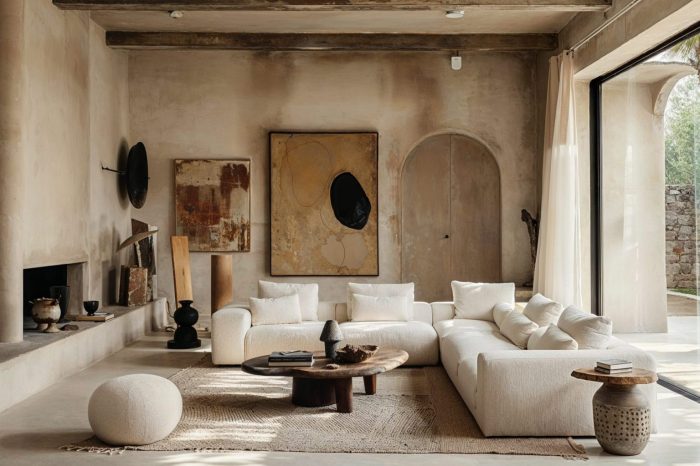
As we approach 2025, the world of home staging is evolving in ways that are both innovative and inspiring. This year promises to bring an exciting blend of colors, technology, and sustainable practices that will redefine how homes are presented in the market. With a focus on aesthetics and functionality, the trends emerging this year are set to captivate buyers and sellers alike.
From vibrant color palettes to the integration of smart technology in staging processes, 2025 is all about creating spaces that resonate with modern living. Additionally, the growing popularity of sustainable materials showcases a shift towards eco-friendly practices, making it a pivotal year for home staging and design.
2025 Home Staging Trends
As we step into 2025, the world of home staging is evolving, showcasing fresh ideas and innovative practices that reflect current societal values and technological advancements. This year, expect to see a vibrant shift in color palettes, a deeper integration of technology, and a commitment to sustainability that shapes how homes are presented to potential buyers.Color palettes for home staging in 2025 are embracing both bold and muted tones, reflecting a balance between vibrancy and comfort.
Earthy shades infused with warm undertones are gaining traction, creating inviting spaces that resonate with buyers looking for a sense of tranquility. Colors like terracotta, sage green, and muted blues are expected to dominate, as they evoke a natural ambiance while still offering aesthetic appeal.
Impact of Technology on Home Staging Practices
The integration of technology is transforming home staging practices in numerous ways. From virtual reality tours to augmented reality applications, these advancements allow prospective buyers to experience homes in unprecedented ways.
- Virtual reality (VR) provides immersive experiences where buyers can walk through staged homes from anywhere in the world, significantly enhancing accessibility.
- Augmented reality (AR) apps enable potential buyers to visualize different design elements and furniture placements within a space, making the staging process more interactive and personalized.
- Smart home features are being highlighted in staging, showcasing energy efficiency and contemporary living conveniences that appeal to tech-savvy buyers. Integrating smart lighting and security systems into staged homes can underscore their modern appeal.
Sustainable Staging Materials Gaining Popularity
Sustainability is becoming a cornerstone of home staging, with an increasing number of designers opting for eco-friendly materials that resonate with environmentally conscious buyers. The focus on sustainable staging materials reflects a broader commitment to reducing waste and promoting a healthier planet.
- Reclaimed wood is popular for furniture and accent pieces, adding character while minimizing deforestation.
- Biodegradable textiles, such as organic cotton and linen, are being used for staging soft furnishings, offering a sustainable alternative to conventional materials.
- Upcycled decor items are also making waves, showcasing creativity while reducing landfill waste. Items that have been refurbished or creatively repurposed serve as conversation starters and resonate with buyers’ growing interest in sustainability.
These trends in home staging reflect a dynamic intersection of aesthetics, technology, and environmental responsibility, setting the stage for homes that not only look good but also feel good to live in.
Design Styles in 2025

As we step into 2025, the world of interior design continues to evolve, reflecting not only aesthetic preferences but also lifestyle changes and cultural shifts. This year, homeowners are leaning towards styles that promote comfort, sustainability, and a strong connection with nature. The following sections will explore the top design trends shaping modern homes, particularly highlighting minimalism and biophilic design as leading choices.
Top Design Styles Influencing Homes
The design landscape in 2025 showcases a blend of contemporary aesthetics and functional living. The most prominent styles include:
- Minimalism: This style prioritizes simplicity and functionality, featuring clean lines, uncluttered spaces, and a neutral color palette. Minimalism aims to create serene environments that encourage mindfulness.
- Biophilic Design: Focusing on integrating natural elements into indoor spaces, biophilic design enhances well-being and productivity. It emphasizes the use of natural light, plants, and materials that echo the outdoors.
- Scandinavian Design: Known for its emphasis on functionality, comfort, and natural materials, this style remains popular. It combines aesthetic appeal with practicality, often incorporating light wood, soft textiles, and a muted color scheme.
- Maximalism: In contrast to minimalism, maximalism celebrates bold colors, intricate patterns, and layered textures. Homeowners embrace this style to express individuality and creativity.
Cultural Influences Shaping Interior Design
Cultural diversity plays a pivotal role in shaping design styles in As globalization continues, homeowners draw inspiration from various cultures, integrating unique elements into their spaces. For instance:
- Japanese Zen Influence: The principles of balance and tranquility from Japanese design are increasingly visible, with features like tatami mats and shoji screens appearing in contemporary homes.
- Mexican Folk Art: Vibrant colors and handcrafted decor inspired by Mexican culture are being used to add character and warmth to modern interiors.
- Mid-Century Modern Revival: The enduring appeal of mid-century modern design, characterized by organic shapes and functional furniture, is experiencing a resurgence, reflecting a nostalgic yet fresh approach.
Modern vs. Traditional Design Preferences
In 2025, the preferences between modern and traditional design styles are evolving, influenced by lifestyle choices and societal values. New builds often showcase a hybrid approach, incorporating elements of both styles. Key comparisons include:
- Open Floor Plans: Modern designs favor open layouts that promote social interaction, while traditional designs often feature distinct rooms for specific functions.
- Materials: Modern homes frequently utilize industrial materials like steel and glass, whereas traditional homes tend to favor wood and brick, emphasizing craftsmanship.
- Color Trends: Modern styles typically embrace bold and unexpected colors, while traditional designs often utilize muted tones and classic palettes.
In 2025, the blending of modern and traditional design elements reflects a desire for versatility and personal expression, allowing homeowners to create spaces that resonate with their identities.
Real Estate Insights and Home Staging
Home staging is becoming increasingly vital in the competitive real estate market of 2025, serving as a powerful tool to enhance property appeal and marketability. With buyers having more choices than ever, a well-staged home can make a significant difference in attracting interest and closing deals. As trends shift towards personalized and immersive experiences, home staging has evolved to reflect these changes, offering real estate agents strategic avenues to position properties effectively.In 2025, the role of home staging in enhancing marketability is underscored by the integration of technology and design.
Properties that are thoughtfully staged not only look inviting but also allow potential buyers to visualize themselves living in the space. This emotional connection is crucial in a landscape where buyers often prioritize aesthetics and lifestyle before making a decision. Moreover, home staging can highlight a property’s best features while downplaying any less appealing aspects, thus optimizing the overall impression on buyers.
Leveraging Staging Trends for Competitive Markets
Real estate agents can capitalize on current home staging trends to stand out in competitive markets. With a focus on minimalist and sustainable design styles, agents can present properties that resonate with contemporary buyer preferences. Here are some strategies to effectively leverage these trends:
Emphasize Natural Light
Use sheer curtains and strategically placed mirrors to reflect light, creating an open and airy feel. Properties that feel spacious and bright attract more attention.
Incorporate Biophilic Design
Integrate plants and natural materials into the staging to foster a connection with nature. This trend not only enhances aesthetics but also promotes well-being, appealing to health-conscious buyers.
Utilize Technology
Implement virtual staging and 3D tours to provide immersive experiences. This approach allows potential buyers to experience properties from the comfort of their homes, broadening the audience reach.
Curate Thoughtful Decor
Focus on neutral tones with splashes of color through artwork or accessories. This balance helps create a sophisticated yet inviting atmosphere that buyers find appealing.
Building Homes Aligned with 2025 Staging Trends
When constructing homes that align with 2025 staging trends and design styles, it’s essential to incorporate elements that appeal to modern buyers. Below are key considerations for builders and developers:
Open Floor Plans
Design spaces that encourage flow and usability, making it easier for buyers to envision their life in the home.
Sustainable Materials
Use eco-friendly building materials that not only appeal to environmentally-conscious buyers but also enhance the overall quality of the home.
Smart Home Technology
Integrate smart devices to provide convenience and security. Features like smart thermostats, lighting, and security systems are attractive selling points.
Outdoor Spaces
Prioritize outdoor living areas. Decks, patios, and landscaped yards create additional usable space and are highly sought after in today’s market.Thoughtful execution of these elements can result in homes that not only meet the expectations of buyers but exceed them, ultimately leading to quicker sales and higher prices.
Conclusive Thoughts
In summary, the trends and design styles emerging in 2025 are not only about enhancing visual appeal but also about creating meaningful living environments. As we embrace these innovations, home staging professionals and homeowners alike can leverage these insights to craft spaces that are both attractive and thoughtful. The journey into 2025 promises to be an exciting one, filled with opportunities for creativity and sustainability.
FAQs
What are the key color trends for home staging in 2025?
In 2025, expect to see bold colors like deep greens and warm terracottas, along with calming, neutral tones that promote relaxation.
How is technology influencing home staging?
Technology is enhancing home staging through virtual reality tours and augmented reality applications, allowing potential buyers to visualize the space better.
What sustainable materials are popular in 2025 staging?
Materials such as reclaimed wood, recycled textiles, and eco-friendly paints are gaining traction as sustainability becomes a priority in staging.
How can real estate agents benefit from home staging trends?
By staying updated on staging trends, agents can better position homes in the market, attracting more buyers and potentially increasing sale prices.
What design styles should homeowners consider in 2025?
Homeowners should consider styles like minimalism and biophilic design, which emphasize simplicity and a connection to nature.


