
As Top floor plan trends 2025 takes center stage, this opening passage beckons readers into a world crafted with good knowledge, ensuring a reading experience that is both absorbing and distinctly original.
This year, we explore the evolving landscape of floor plans that reflect the changing dynamics of modern living and technological innovation. With a focus on sustainability, flexibility, and personalized spaces, these trends reveal how architectural design now caters to lifestyle preferences and environmental considerations.
Top Floor Plan Trends for 2025
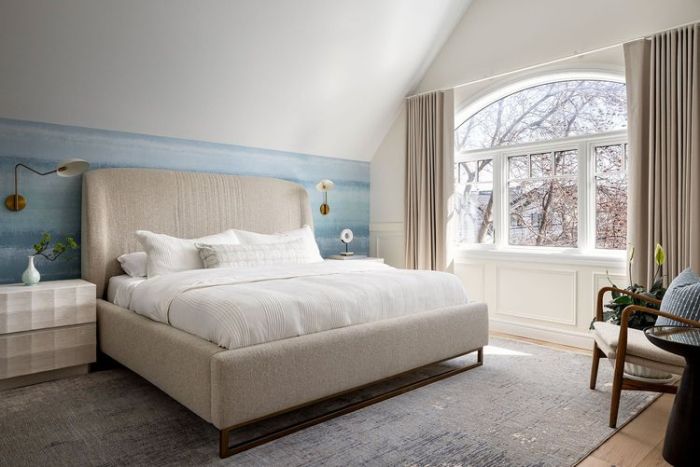
The floor plan landscape is evolving at a rapid pace as we head into 2025, reflecting significant lifestyle shifts and advancements in technology. Homeowners are increasingly prioritizing flexibility, functionality, and sustainability in their living spaces. This transformation is not just about aesthetics; it’s a response to the changing demands of modern life, including remote work, family dynamics, and a greater focus on health and wellness.One of the most notable trends is the shift towards open-concept designs that blend spaces for living, working, and entertaining.
These floor plans are becoming essential for accommodating the hybrid lifestyle many individuals have adopted. As we explore the key trends for 2025, we can see how they are shaped by both lifestyle changes and the integration of innovative technologies.
Integration of Multifunctional Spaces
The concept of multifunctional spaces is at the forefront of floor plan trends for 2025. Homeowners are seeking layouts that allow for versatility, reflecting their desire for spaces that can adapt to various activities without compromising style. These designs cater to the need for separate areas for work, relaxation, and socializing, all within a cohesive environment. Key elements of multifunctional spaces include:
- Dedicated Home Offices: As remote work continues to be a norm, dedicated office spaces are being designed to minimize distractions while providing a productive atmosphere. These offices often feature soundproofing, ample natural light, and built-in storage to keep work materials organized.
- Convertible Rooms: Rooms that can change function depending on the time of day or the owner’s needs are gaining popularity. For example, a guest bedroom may double as a gym or a playroom, providing flexibility for families.
- Open Layouts: Combining living, dining, and kitchen areas fosters interaction and makes smaller spaces feel larger. This trend is particularly appealing for homes with limited square footage, maximizing the use of available space.
Sustainable Design Features
Sustainability is becoming a core consideration in modern floor plan designs. As environmental awareness grows, homeowners are seeking features that reduce energy consumption and environmental impact. This trend is influencing not only the materials used in construction but also the layout of spaces in a home.Key sustainable design features include:
- Energy-Efficient Materials: The use of recycled or sustainably sourced materials in floor plans helps reduce the carbon footprint of new builds. For example, bamboo flooring and reclaimed wood are popular choices.
- Natural Lighting: Incorporating large windows and skylights allows for natural light to flood interior spaces, reducing reliance on artificial lighting and improving mental well-being.
- Indoor-Outdoor Connections: Floor plans that include patios or terraces encourage outdoor living, which has been linked to numerous health benefits. These spaces are designed to seamlessly blend indoor and outdoor environments.
Smart Home Integration
Technological advancements are significantly impacting how floor plans are designed, with smart home features becoming a standard expectation. Homeowners are looking for integrated systems that enhance comfort, security, and energy efficiency.Key aspects of smart home integration include:
- Home Automation Systems: These systems allow homeowners to control lighting, temperature, and security remotely. Floor plans are being designed with tech hubs to facilitate easy access to control panels.
- Built-in Charging Stations: As devices become more integral to daily life, floor plans now often include designated areas for charging multiple devices discreetly.
- Smart Appliances: Kitchen layouts are increasingly incorporating smart appliances that can communicate with each other, making cooking and meal preparation more efficient.
“The future of home design is not just about living well; it’s about living sustainably and smartly.”
As we can see, the floor plan trends for 2025 reflect a holistic approach to living spaces, merging functionality with comfort and sustainability. These innovative designs are set to shape how we experience our homes in years to come, ensuring they meet the evolving needs of society.
Impact of Floor Plan Trends on Real Estate Market
The evolution of floor plan trends has a profound influence on the real estate market, shaping property values and buyer preferences. As lifestyle needs shift, so too do the expectations for how spaces are designed and utilized. Understanding these changes is crucial for both buyers and sellers navigating the modern housing landscape.Changing floor plan trends significantly affect real estate values and market demand.
Properties that align with current preferences—such as open layouts, multifunctional spaces, and sustainable designs—often command higher prices. For instance, houses featuring integrated living areas that promote social interaction can enhance a property’s desirability, leading to increased competition among buyers. Conversely, homes with outdated or impractical layouts may struggle to attract interest, negatively impacting their market performance. According to recent data, open floor plans have seen a resurgence, with over 70% of buyers expressing a preference for them, ultimately driving up demand in markets where they are prevalent.
Role of Real Estate Agents in Adaptation to Trends
Real estate agents play a pivotal role in adapting to changing floor plan trends, especially during property listings. Their understanding of market dynamics allows them to effectively communicate the value of contemporary features to potential buyers. Agents leverage their insights to highlight aspects such as energy efficiency, smart home technology, and versatile spaces that cater to modern living.To successfully navigate these trends, agents must stay informed about evolving buyer preferences.
This involves conducting market research, attending industry workshops, and collaborating with architects and designers. By doing so, they can advise sellers on necessary renovations or staging techniques to make properties more appealing. For example, emphasizing a home’s open-concept design during a showing can significantly increase its attractiveness.
Building a Home Aligned with Latest Preferences
Creating a home that aligns with the latest floor plan preferences involves careful planning and consideration of current trends. Homebuilders and architects should focus on flexibility, sustainability, and integration of technology to meet buyer expectations.An essential practice is to design spaces that can be easily adjusted for various uses. This might include movable walls or adaptable rooms that can serve as offices, guest rooms, or play areas.
Additionally, incorporating eco-friendly materials and energy-efficient systems not only supports sustainability but is increasingly sought after by environmentally conscious buyers.Key aspects to implement include:
- Open Floor Plans: Facilitate seamless flow between living spaces, enhancing social interactions.
- Smart Home Features: Integrate technology that allows homeowners to control lighting, security, and temperature remotely.
- Outdoor Integration: Design homes that connect indoor spaces with outdoor areas, providing additional living space.
- Multi-Functional Spaces: Create rooms that can serve more than one purpose, maximizing usability without increasing square footage.
As these trends continue to evolve, builders who stay ahead of the curve will not only meet market demands but also enhance the overall value of their properties, making them more attractive to potential buyers.
“Homes that reflect modern living trends will see enhanced value and market appeal.”
Sustainable Floor Plans and Green Real Estate
As we move toward 2025, the integration of sustainable floor plans in real estate is becoming increasingly important. Buyers are now more conscious of their environmental footprint, leading to an uptick in demand for eco-friendly homes. Sustainable floor plans not only embrace innovative design but also prioritize the health of our planet, making them a pivotal aspect of modern construction.The adoption of green building practices in new floor plan designs involves the incorporation of energy-efficient systems, sustainable materials, and thoughtful layouts that enhance the natural flow of light and air.
These designs aim to reduce waste and promote energy efficiency while enhancing the quality of life for their inhabitants. By utilizing renewable resources and reducing reliance on fossil fuels, the real estate industry can contribute to a sustainable future.
Integration of Green Building Practices
The integration of green building practices into new floor plans is transforming the real estate landscape. Key features that exemplify this trend include:
- Energy-Efficient Systems: Many new homes are being equipped with solar panels, energy-efficient heating and cooling systems, and smart home technology that optimizes energy usage.
- Water Conservation: Rainwater harvesting systems, low-flow plumbing fixtures, and drought-resistant landscaping are essential in reducing water waste.
- Sustainable Materials: The use of reclaimed wood, bamboo flooring, and recycled materials not only minimizes environmental impact but also creates unique aesthetics.
- Indoor Air Quality: Sustainable floor plans emphasize the use of non-toxic paints and finishes, ensuring a healthier living environment.
Benefits of Eco-Friendly Homes
Eco-friendly homes offer a myriad of benefits that extend beyond environmental conservation. These advantages include:
- Reduced Utility Costs: Sustainable homes are designed for energy efficiency, often leading to lower utility bills due to minimized energy consumption.
- Enhanced Property Value: Homes that prioritize green features and sustainable practices tend to have higher resale values, attracting environmentally conscious buyers.
- Health Benefits: Quality indoor environments contribute to better health, reducing issues related to allergens and air quality.
- Reduced Carbon Footprint: Living in an eco-friendly home significantly decreases overall carbon emissions, contributing to a healthier planet.
Comparison of Traditional vs. Green Floor Plans
When comparing traditional floor plans to green alternatives, significant differences in energy efficiency and cost-effectiveness emerge. Here are some notable distinctions:
| Feature | Traditional Floor Plans | Green Floor Plans |
|---|---|---|
| Energy Consumption | Higher overall energy usage due to outdated systems. | Lower energy consumption with modern, energy-efficient technologies. |
| Long-term Costs | Typically higher utility bills and maintenance costs. | Lower utility costs and often less maintenance due to durable materials. |
| Environmental Impact | Significant negative impact on the environment. | Designed to minimize waste and reduce carbon footprint. |
| Home Resale Value | May not appeal to eco-conscious buyers. | Often commands a premium price in the market. |
“Sustainable architecture is not just about being green; it’s about creating spaces that are livable, resilient, and responsible.”
End of Discussion
In summary, the floor plan trends for 2025 not only reshape our living spaces but also influence the broader real estate market. Embracing these innovative designs can lead to enhanced property value and align with the growing demand for eco-friendly homes. As we move forward, staying attuned to these trends will be crucial for anyone involved in housing and real estate.
FAQ Resource
What are the top floor plan trends for 2025?
The top trends include open layouts, multi-functional spaces, and integration of smart home technology.
How do lifestyle changes influence floor plan designs?
Lifestyle shifts towards remote work and family-centric living have led to a demand for versatile spaces that accommodate various activities.
What role do real estate agents play in adapting to these trends?
Real estate agents must understand and highlight these trends to meet client expectations and improve listing appeal.
How do sustainable floor plans compare to traditional ones?
Sustainable floor plans typically prioritize energy efficiency and eco-friendly materials, often resulting in long-term cost savings.
What are the benefits of eco-friendly homes?
Eco-friendly homes offer lower energy bills, a reduced carbon footprint, and improved indoor air quality.


